Two Ways to Build a Small Herb Corner: Planned Layout vs. Observational Gathering
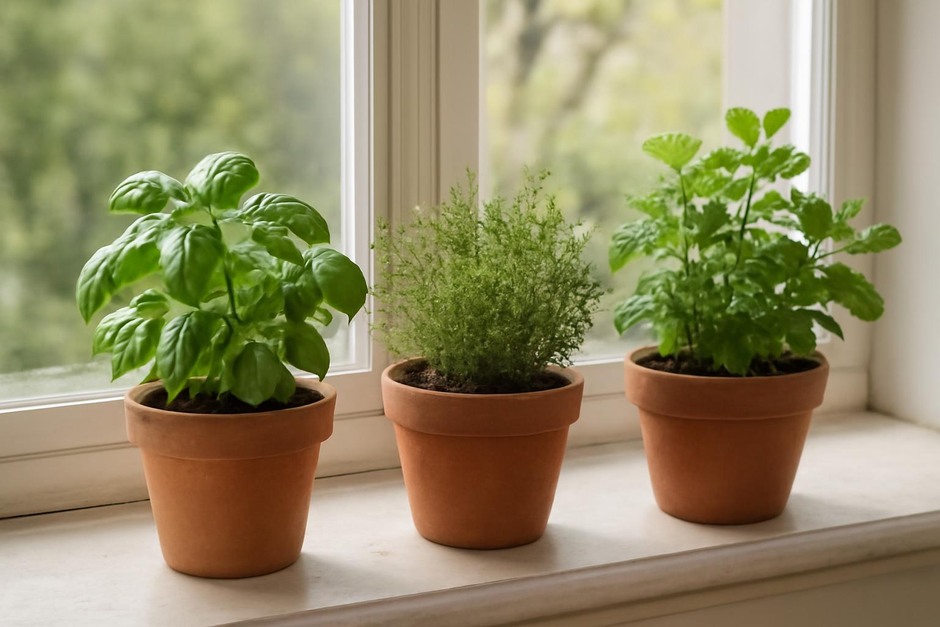
Keeping a handful of herbs at home is one of those small, steady pleasures that rewards close attention. Before you buy pots or seeds, notice where light falls during the day, how you move through the room, and which scents you enjoy at different times. Two distinct approaches to building a compact herb corner tend to suit different people and spaces: a planned, modular layout and an observational, foraged-style collection. Below I compare them with field notes from careful observation, then offer practical guidance for choosing and adapting either method.
Approach 1: Planned, modular layout
The planned approach treats a windowsill, balcony ledge, or shelf as a small system to design. You map light zones, decide a scale, and select a fixed set of containers and plants that fit together visually and functionally.
How it looks and feels
- Orderly arrangement. Pots are grouped to create a rhythm—rows, tiers, or a repeating container style.
- Predictable maintenance. Watering, feeding, and pruning follow a schedule because the setup is consistent.
- Intended aesthetic. You choose plants for leaf shape, color, and height so the corner reads as a single composition.
Practical advantages
- Easy to care for at scale—once you establish spacing and containers you can repeat the routine.
- Strong visual cohesion makes the space feel considered and restful.
- Better for specific culinary goals: plant thyme, rosemary, and parsley where they’ll get enough sun and space.
Observational cues to use
- Measure hours of direct sun in the exact location at midsummer and midwinter.
- Note how air circulates near the window—drafts affect watering frequency.
- Watch how you reach for plants: place frequently used herbs in the most accessible spot.
Approach 2: Observational, foraged-style collection
The observational approach treats the herb corner like a living sketchbook. Instead of a fixed plan, you add, move, and let plants tell you where they thrive. This method favors exploration and seasonal change.
How it looks and feels
- Mix-and-match composition. Pots, cuttings, and rescued plants sit together; the arrangement evolves.
- Hands-on learning. You notice subtle differences—one pot dries faster, another attracts tiny pollinators.
- Seasonal variety. You replace or rehome plants according to what’s flourishing and what you want to try next.
Practical advantages
- Low-cost experimentation; start with cuttings, kitchen scraps, or seedlings from friends.
- Encourages observational skills: you learn to read leaf color, soil moisture, and pest signs.
- Flexible and forgiving for unpredictable light or microclimates.
Observational cues to use
- Keep a small notebook or photo log to record which plant position did well over weeks.
- Smell leaves after dew and after sunlight to gauge scent intensity—move plants to capture aroma indoors.
- Note where seedlings sprout naturally if you compost outside; those spots often reveal hidden light pockets.
How to choose between them (and blend both)
Choosing is less about right or wrong than matching a method to your space, schedule, and curiosity. Use these practical criteria to decide—and remember you can blend both approaches.
- Assess your routine. If you like predictable chores and clear habits, the planned layout will slot into your life with minimal fuss. If you prefer discovery and occasional bursts of attention, the observational method will keep you engaged.
- Measure the light and space. Limited, steady light favors planning—choose shade-tolerant herbs and consistent pot sizes. Shifting or patchy light suits the observational approach; you can move plants frequently and learn microclimates.
- Decide on goals. For regular cooking, prioritize reliably productive varieties in a planned setting. For seasonal enjoyment—fragrant leaves, cutting stems for bouquets, learning propagation—lean toward foraged experimentation.
- Consider maintenance bandwidth. Busy weeks argue for repetition and simple, big pots that stay moist longer. If you enjoy checking progress daily, smaller pots and mixed species invite closer observation.
- Start hybrid if unsure. Reserve one shelf or a set of three identical pots for the planned trio (e.g., basil, parsley, thyme). Use another shelf for any cuttings or spontaneous finds. Observe for a season, then adjust: repot survivors into the planned area or plant a reliable variety in the exploratory zone.
In the field, gardeners often shift between these styles as seasons or routines change. The key observational practice is the same: learn the corner by watching light, touch soil to check moisture, and sniff the leaves. Over time those small notes turn into confident decisions about what to plant, where to place it, and how to enjoy the daily, simple pleasure of a living herb corner.